×
‹
›
For babe,
on our second anniversary.
The list went up on a Tuesday in January, taped to the glass outside the main office, and by third period half of Halsey Technical was standing in front of it complaining.
Noah Haque found his name in the middle column. He’d been moved out of Mr. Petrocelli’s class and into Mrs. Dunne’s, which meant a different floor, a different period, and a room full of people he didn’t know. He stood there a second longer than he needed to, reading it twice, the way you do when you’re fifteen and a stranger has quietly rearranged your life with a printer.
He didn’t think anything of it. Nobody did. It was a seating chart.
The room was on four, at the end of the hall where the radiators knocked. He took a desk near the window because it was empty, and he spent most of the first day looking at the back of a girl’s head two rows up, and by the second day he knew her name was Iya Uddin, and by the end of the week he had figured out where she ate lunch.
She was funny in a way he hadn’t expected — dry, and fast, and mean about exactly the right things. She noticed what people were embarrassed about and didn’t use it. He liked that more than he could have explained at the time.
They started walking to the train together. Then they started taking the long way.
He asked her on a Thursday, standing outside the deli on Dekalb with his hands in his jacket pockets because he didn’t know what else to do with them.
“Will you be my girlfriend?”
She looked at him for a while. Long enough that he had time to feel every degree of the cold.
“Yeah,” she said. “Okay.”
Three days later she broke up with him.
She did it at lunch, which he thought was cruel and later understood was just what you do when you’re fifteen and you’ve decided something and you can’t hold it in your body for one more hour.
“I don’t know if I like you enough,” she said.
He said okay. He didn’t know what else there was to say. He went to his next class and sat there and didn’t hear any of it.
The next day she found him at his locker.
“I do,” she said. “Like you enough. I was wrong.”
“You were wrong.”
“Yeah.”
“Okay,” he said, and that was that, and they were together again, and it was so easy that it should have worried him.
Three days later, her mother found out.
He never learned how. An aunt, a cousin, somebody’s mother talking to somebody else’s mother — the network was invisible and total, and it did not require evidence.
Iya was gray in the face when she told him.
“I can’t lie to her,” she said. “I’m not going to lie to her.”
And he understood, because his own mother existed, and he knew exactly what it cost to have that conversation, and he wasn’t going to make her have it twice.
“Okay,” he said.
The next day she said it was fine.
She didn’t explain, and he didn’t ask, because he had learned that week that asking Iya to explain herself was a good way to make her disappear. So he took the fine, and he took her hand under the desk in fourth period, and for three days it was the best week of his life.
Then she ended it for the third time, and this one was different, because she didn’t have a reason.
“I just don’t like you,” she said. “I’m sorry. I thought I did.”
They were standing by the stairwell on two. There were people going by on both sides of them. He remembers thinking that it was a strange place to be told something like that, and then he remembers thinking that there probably wasn’t a good place, and then the bell rang and she left and he stood there and let the hallway empty out around him.
She had told him the truth every single time. That was the whole problem. She wasn’t playing a game and she wasn’t stringing him along — she was fifteen, and she said the thing she felt on the day she felt it, and what she felt kept changing, and she was honest enough to keep telling him.
Years later he would think that was almost admirable.
At fifteen it just broke something small and specific in his chest that took two years to close.
And then nothing happened.
That’s the part that’s hard to explain about high school — that you can be destroyed by someone and then simply go on attending school with them. There was no fight. Nobody’s friends took sides. They just stopped, and the stopping held, and Halsey Technical was seven floors and four thousand students and it turned out to be entirely possible to spend two years inside a building with a person and never once say her name.
He saw her, of course. On the stairs. Across the cafeteria. Once at the deli on Dekalb, standing exactly where he’d been standing when he asked her, and their eyes caught for about a second and a half, and then both of them looked away like they’d been caught doing something.
That was it. That was the whole relationship for two years — a second and a half at a time, twice a semester, and then looking away.
He got taller. He got a little better at talking to people. He stopped thinking about her most days, and then most weeks, and if you had asked him at seventeen whether Iya Uddin still meant anything to him he would have said no and he would have believed it.
But he never told the story to anyone. Not once, not to a single friend, in two years.
Which should have told him something.
Tania Karim was in love with a boy named Michael Osei, who sat in the third row of Noah’s physics class and had no idea she existed, and this is the reason Noah’s entire life turned out the way it did.
She came up to him in the hallway in the fall of senior year. He didn’t really know her. She said, “You’re in Renner’s physics, right,” and he said yeah, and she said, “Okay so I need something from you,” with the total confidence of a person who has already decided you are going to say yes.
So he helped. It was mostly reconnaissance. What Michael talked about, whether he had a girlfriend, whether he was funny or just loud. Noah reported back like an intelligence officer, and Tania took notes on her phone, and at some point over the following weeks the mission became less important than the meetings.
They both had last period free. They both had friends who didn’t. So they’d wait — in the history room on six, which was empty after seventh, and which had a radiator you could sit on and windows that faced the water towers.
It became a habit before either of them noticed it was one. Twenty minutes, most days. He learned that Tania had four older brothers and an opinion about everything. She learned that Noah was funnier than he let on and never talked about himself.
“You never talk about yourself,” she told him once.
“There’s nothing to say.”
“Everybody’s got something to say.”
He shrugged and looked out the window and that was the end of it.
On the twenty-third of January, at ten past three, Iya walked into the history room on six to give Tania a set of keys.
That was all. Tania had left them somewhere, and Iya had them, and she came up two flights to hand them over, and it took about nine seconds.
Noah was sitting on the radiator.
She came through the door mid-sentence — “you left these in the —” — and then she saw him, and the sentence stopped.
Two years. Two years of a second and a half on staircases, of looking away, of the careful architecture both of them had built to make sure this exact thing never happened. And now there was a doorway and a radiator and nowhere in the room to put his eyes.
She looked older. That was his first thought, which was a stupid thought, because so did he. But she did. Something in her face had settled. Whatever had been unfinished about her at fifteen was finished now, and it had come out well, and he sat there on a radiator and understood in the space of about four seconds that he had never gotten over this at all. He had just gotten quiet about it.
“Hey,” she said.
“Hey.”
She gave Tania the keys. She left.
Tania looked at the door, and then at Noah, and then at the door again.
“What,” she said, “was that.”
“Nothing.”
“That was not nothing.”
“Tania.”
“Noah.”
He got off the radiator and picked up his bag and said he had to go, and Tania, who was seventeen and not a fool, watched him leave and said nothing else about it, then or ever.
Here is what happened on the other side of the doorway, which Noah would not know for years.
Iya went home and did her homework and ate dinner with her parents and answered her mother’s questions about her day, and at eleven o’clock she lay in bed in the dark with her phone on her chest and stared at the ceiling.
She had known he’d be in there. That was the thing. Tania had mentioned it a week ago, in passing, the way you mention nothing — oh I just hang out with Noah up on six, he’s got last free too — and Iya had said, oh, cool, and felt her whole chest go quiet.
She could have texted Tania to come get the keys.
She could have left them in her bag and given them to her the next day.
She had walked up two flights of stairs to hand a girl a set of keys.
And then she’d gotten in there and he’d looked at her and she had lost her nerve so completely that she’d said hey like a stranger and left.
So now she was lying in the dark, composing.
She typed: hey, sorry if that was weird
Deleted it.
Typed: sorry if I made things awkward earlier, I didn’t know you’d be in there
Which was a lie. She read it four times. It was a good lie — it was an apology, and nobody can be angry at an apology, and it required a response, and the response could be anything at all.
She lay there for eleven minutes with her thumb over the arrow.
Then she sent it.
Noah read it about four times too.
He was seventeen and he was not sophisticated, but he was not stupid either, and he understood exactly what he was holding. Nobody apologizes for handing a friend a set of keys. There was nothing awkward about it. She had constructed a door out of nothing and left it standing open and walked away, so that if he didn’t come through it she could tell herself she’d only been being polite.
He typed: you didn’t make anything awkward
And then, because he was seventeen, he sat there for a long minute deciding whether to add anything, and then he added:
it was good to see you
She answered in under a minute.
They talked until two in the morning.
They didn’t talk about any of it. That was the strange part, and the part that felt, afterward, like the most honest thing they ever did. Neither of them said what happened to us or I’m sorry about sophomore year or do you know I never told anybody about you.
They just started again, from the top, like two people who had never met.
They talked every night. They found reasons to be in the same hallways. He learned that she had read every book in the school library that was worth reading and about forty that weren’t. She learned that his father worked twelve-hour shifts and that Noah had never once mentioned this to a single friend.
And a couple of weeks in, one of them — and neither would ever agree on which — suggested dinner.
They went to a chocolate place on the north side of Union Square, the loud one with the enormous menus, because they were seventeen and it was the kind of restaurant that seemed like a real restaurant.
It was too loud to talk properly, which turned out not to matter. Afterward they came out onto the square in that specific late-winter cold that gets into the teeth, and neither one of them said the thing that both of them were thinking, which was: and now what.
Because that was the problem with being seventeen in New York. He had nine dollars. She had a curfew. There was nowhere to go. Every place that would have them wanted money and every place that didn’t was closed, and the only thing left was the train, and the train meant it was over.
“We could,” she said, and pointed with her chin across the square, at the enormous lit windows of The Strandmore. Four floors of books, open until eleven.
“We’re not gonna buy anything.”
“No,” she agreed.
They went in.
It is, when you think about it, an entire romance disguised as an errand: two people wandering the aisles of a bookstore they have no intention of buying anything from, picking things up and putting them down, reading titles out loud to each other, doing anything at all to keep from having to go home.
They spent an hour and a half in there.
She took him to fiction and made fun of his taste. He took her to the art books on three and pretended to know things. They stood in the poetry section and she pulled things off the shelf and read the first line of each and put them back, and he watched her do it and understood that he was in the presence of somebody who did this alone, on purpose, on the weekends, when nobody was watching.
And on the second floor, in the aisle that smells like paper and warm dust, he found a book.
It was on a display table — some self-help paperback, badly designed, with a title in enormous type across the front.
FEELING NERVOUS?
He looked at it for a second. Then he picked it up and turned it around and held it out toward her and read it aloud, deadpan.
“Feeling nervous?”
She looked at the book. Then she looked at him.
And he smiled, and leaned in, and kissed her.
He would tell this story a few hundred times over the next decade and nobody would ever quite believe that the book had actually been sitting there. That he hadn’t planted it. That the universe had simply put a prop into his hand at the exact moment he needed one and then stood back.
They stayed in the store another twenty minutes, both of them lit up and neither of them talking about it.
Then they went out into the square, and it was colder, and it was late, and there was still nothing to do and nowhere to go.
So they sat on a bench in Union Square Park.
They didn’t do anything. They sat there, and they talked, and every so often one of them would say we should probably go and then neither of them would go.
At quarter to eleven they finally ran out of excuses and walked to the station and got on separate trains going opposite directions, and Noah rode home over the bridge with his forehead against the window, grinning like an idiot at the whole borough.
He hadn’t asked her yet.
That was the thing, and he was aware of it, and it sat on him for the next few weeks like something he’d left on a stove. He had kissed her in a bookstore. He had walked her to the train. They were, by any reasonable measure, something. And he had never actually said the words, because the last time he’d said them she’d ended it three times in eleven days.
So he waited, and he took his time, and he let himself be sure.
Thirty-three days after the keys, in the stairwell on two — the same stairwell, though he only noticed later, and never told her — he stopped walking and turned around and looked at her.
“Will you be my girlfriend?”
He didn’t say anything else. There was no speech. He’d had thirty-three days to prepare a speech and he hadn’t written one, because a speech would have meant he was worried, and standing there in front of her he found that he wasn’t.
The same six words. The exact same six words, at fifteen and at seventeen.
“Yeah,” she said.
And this time it held.
What he remembers about the rest of senior year is not any single thing. It’s the shape of the days.
They met before first period, at her locker, every morning, whether or not either of them had a reason to be on that floor. They found each other between classes — four minutes, sometimes less, enough for her to put her forehead against his shoulder for a second in a hallway full of people who didn’t care.
When their schedules allowed it he walked her to class. When they didn’t, he walked her anyway and took the late pass.
They ate lunch together. They waited for each other after last period, every day, at the doors on the Dekalb side, and if one of them got out first they stood there in the cold with their hands in their sleeves until the other one came out.
And then they took the long way to the train, the way they had when they were fifteen and it had all fallen apart, and this time nothing fell apart.
This is the part of a relationship that nobody photographs and nobody writes down, and it is the part that actually builds the thing. Not the dinner. Not the kiss in the bookstore. Four minutes in a hallway, five days a week, for four months.
He was seventeen and he was completely, stupidly happy, and he did not know that he was going to spend the next decade trying to get back to it.
He asked her to prom that spring.
Everyone that year was doing enormous productions — banners in the gym, flash mobs, a guy who got the marching band involved. Noah did none of that.
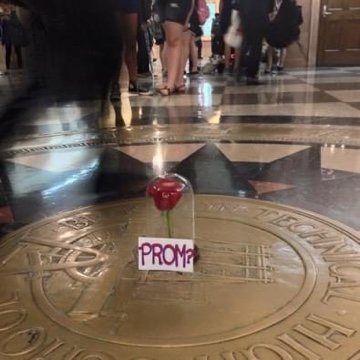
He bought a single red rose and one of those small glass domes you put over things to keep them, the kind that makes an ordinary object look like it belongs in a museum. He put the rose under the glass. He wrote one word on a small white card and set it against the base.
PROM?
He put it down on the floor of the main lobby, on the school seal inlaid in the tile, and he stood a little way off, and he waited for her to come down the stairs and find it.
She found it.
They got out onto the deck about an hour into the night, when the sun was going down over the water and the city was doing the thing the city does, and they stood at the rail with their foreheads together and someone took a photo of them without asking.
It’s a good photo. They’re both in silhouette. You can’t see either of their faces.
If you didn’t know the story you would think it was just two kids at a dance.
He went to Kesler Institute on the Upper West Side. She went to Marlowe College on the Upper East Side. Between them, two and a half miles wide, was Central Park.
They were both terrified about it and neither of them said so. Everyone knows what happens. There’s a whole genre of it — the high school couple, the first semester, the slow polite fade. They watched it happen to four other couples they knew before Thanksgiving.
What they had going for them was geography. They were both still in the city, still living at home, still broke.
What they did with that was walk.
This is the part of the story that has no drama in it whatsoever, and it is the part that matters most, and Noah would spend years failing to explain it to people.
He had a gap on Tuesdays and Thursdays. So he’d leave Kesler, walk into the park at 72nd, cross the whole thing east — past the boathouse, around the reservoir on the days he had time to kill — come out on Fifth, walk to Marlowe, and meet her.
For what? For lunch. For a forty-minute bubble tea. For sitting on the low wall outside her building with her head on his shoulder while she complained about a professor.
Then he’d walk back.
Two miles there. Two miles back. Twice a week, for two and a half years, in February, in the rain, in the specific misery of a New York August.
And when his schedule was bad, she did it. She’d come out of Marlowe and go into the park at 79th and cross it the other way and find him on the steps outside the engineering building with his laptop on his knees.
There was no reason to do it. That’s the point. There was nothing at the other end of that walk except her, and that turned out to be sufficient, for two and a half years, in all weather.
Those were good years. He wants that on the record, because of what comes next, and because when you tell a story like this the ending has a way of reaching backward and staining everything, and it shouldn’t. They were happy. They were young and broke and permanently exhausted and they were as happy as he has ever been.
He met her cousins. She learned to sit with his mother in the kitchen. They had a bench — an actual specific bench, near the east side of the Sheep Meadow — and it was theirs, in the way that things are yours when you’re twenty and you have no money and so the only things you can own are places.
What went wrong is so small that he is embarrassed to write it down.
They argued. That’s it. They argued about money, which neither of them had. They argued about time, which neither of them had either — he picked up shifts, she had labs, and the crossing that used to be twice a week became once, and then became a thing they had to schedule, and then became a thing they fought about not scheduling.
They argued about who was trying harder. That is the fight, in the end. Every couple that comes apart at twenty-one is having the same fight, and the fight is I am doing more than you are, and it is never true and it is never false.
None of it survived contact with time. He is twenty-nine now and he could not reconstruct a single one of those arguments for you. He could not tell you what they were about. He has genuinely tried.
But they were real then. That’s the thing he needs to say clearly, because it would be easy and dishonest to write them off as nothing. They were real problems and they needed real work, and work of that kind takes two people who are both willing to stay in an uncomfortable room and keep talking after the point where talking stops being enjoyable.
He was not willing.
He ended it on a Sunday, in the park, on a bench that wasn’t their bench.
He had rehearsed it. That’s the part he can’t stand, looking back — that he’d rehearsed it, that he’d walked in with a position, that he had made it clean and reasonable and calm. He said something about how they were both under a lot of pressure. He said something about how maybe they needed to figure out who they were.
She didn’t argue with him. He remembers being surprised by that, and then, much later, understanding it: she’d heard the rehearsal in his voice. She knew he had decided before he sat down. And Iya was not going to beg a man to keep her.
She said, “Okay.”
She said, “If that’s what you want.”
And she got up, and she walked west across the park, and he sat on that bench for a very long time and did not go after her.
He has thought about this more than he has thought about anything else in his life, and the conclusion he has come to is not flattering and he does not intend to soften it.
He was twenty-one and he did not know how to repair something. He had never been taught. He had never seen it done. When a thing in his life started producing discomfort, the only tool he possessed was the exit, and so he reached for the exit, and he told himself that reaching for it was maturity.
It was not maturity. It was the easy way out, and he took it, and he took it from a girl who had walked two miles across a park in the snow to eat lunch with him.
They didn’t stop seeing each other. Of course they didn’t. Two and a half years doesn’t have an off switch.
So for a few months after, they met. Not officially, not as anything. She’d text, or he would, and they’d get lunch somewhere in midtown and sit across from each other and be careful, and it would be almost normal, and then one of them would laugh at something and forget for a second and it would be entirely normal, and that was worse.
They sat in the park. They walked. Once, on a bench near the boathouse, he kissed her, and she let him, and afterward neither of them said anything at all for about four blocks.
It was Iya who finally said it.
“We can’t do this.”
“I know.”
“If it’s over then it has to be over. You don’t get to end it and keep it.”
That last part landed exactly where she aimed it.
“Okay,” he said.
“Okay.”
So they stopped, and they drifted, and the drift held.
But it never went all the way. That’s the thing he would say, if you could get him to say anything about it, which for five years you could not. They never had a final conversation. There was never a door that closed. There was only a long slow widening, like two boats that were tied up next to each other and then weren’t, and the water between them got a little bigger every year, and neither of them ever turned around and rowed.
He did not finish on time.
That is the plain fact of it, and it is not a dramatic one. There was no crisis. Nothing happened to him. He simply stopped being able to do it — he missed things, he fell behind, he failed a course he should not have failed and retook it and failed it again — and by the following spring the arithmetic had stopped working, and he transferred out of Kesler and into Bellamy College, which was cheap and enormous and in Harlem, and where nobody was going to notice whether he showed up.
He was there for a long time. Longer than he intends to specify.
He worked the whole way through — part-time, always part-time, the kind of work you can pick up and put down. Twenty hours here, thirty there. He got very good at being the guy who could cover a shift.
And he graduated. Late. There was no ceremony he cared about attending. He got the email that his degree had been conferred while sitting in his car in a parking lot on his break, and he read it twice, and then he went back inside.
Then came the part nobody warns you about, which is that he could not find a job.
Not a real one. He applied for two years. He had a degree from a school nobody had heard of, a graduation date that raised a question he did not want to answer, and a résumé that was a list of part-time jobs. He got interviews. He did not get offers. He got very familiar with the specific silence of an inbox.
So he kept working part-time, and he lived at home, and he stopped talking about the future because he did not have one to describe.
And the years went flat.
That’s the only word for it. He was not unhappy. He would have told you, without any hesitation, that he was fine. He saw his friends. He went to weddings. He became, over the course of about four years, an extremely reliable man with no interior life that he was willing to discuss with anybody, and he told himself that this was what growing up was.
He did not think about Iya most days.
He thought about her some days.
He never told anyone that, not once, in five years.
She became a nurse.
That is the whole difference between them in those years, and it is not a small one. While Noah was quietly coming apart, Iya was doing the hardest thing she had ever done, on purpose, on a schedule.
Nursing school does not care how you feel. It does not care that you are twenty-two and something in your chest is broken. It gives you clinicals at six in the morning and pharmacology at night and a pass rate to worry about, and it asks you, over and over, to be competent in rooms where competence is the only thing that matters.
She was good at it. She was better than good. And she has never once, in all the years since, admitted out loud that some part of what got her through it was that it left absolutely no room to think.
She graduated. She passed her boards. She got a badge with her name on it and a floor and a schedule of twelve-hour shifts, and she went to work.
And she stayed at home, in her parents’ house, in the same bedroom she’d had since she was nine, because that’s what you do.
She was, by every visible measure, the most successful person either of them knew.
She would come home at eight in the morning off a night shift and lie on top of her bed in her scrubs with her eyes open.
She never told anybody this and she would deny it if you asked, but there was a stretch in there — a long one, longer than she likes to think about — where she got very, very good at being fine.
Which is not the same thing as being fine.
It is a skill. It is a genuinely useful skill and she was excellent at it and she does not regret learning it, and she also does not particularly want to talk about the years she spent practicing.
There was one more thing, and it is the reason for everything that came after.
They still texted. Not often. Twice a year, maybe. A birthday. A photo of something stupid that only the other one would get. It never went anywhere and it never lasted more than a day, and every single time, it undid about six months of work.
She would answer the message and be entirely calm about it and then spend the following week in a mood she couldn’t explain to anyone.
So one December she sat down and wrote to him, once, carefully, and it was the longest thing she had sent him in three years:
I need you to not reach out to me again. Not because I hate you. Because every time you do I lose a year.
Noah read it standing in the parking lot behind the store where he worked, in the cold, on his break.
He read it about six times.
Then he put his phone in his pocket, and he got in his car, and he did what she asked.
For two years and one month, he did not contact her.
In January of 2023 he made an Instagram account, which sounds like nothing, and was not.
He hadn’t had one in years. He’d deleted everything at some point in the flat years, not out of any principle, just because he had stopped having a life he wanted to document. Now his sister was on him about it — she was getting married in the fall, there were things he needed to see, it was ridiculous that he was the only person on earth who could not be tagged in anything.
So he made one. Username, photo, ten follows. It took nine minutes.
He did not search for Iya.
He wants that understood, because it would be an easy lie to tell and it isn’t true. He had searched for her before — over the years, more than once, at two in the morning, the way you do. He had looked at a profile picture and closed the app and felt bad about himself. But he had never once sent anything, because she had asked him not to, and he had decided a long time ago that the one thing he could still give her was the exact thing she’d asked for.
In the second week of January, at 9:41 in the evening, Noah’s phone lit up face-down on the kitchen counter while he was doing the dishes.
He dried his hands. He turned it over.
iya.uddin requested to follow you.
He stood there in the kitchen with the water still running.
Then he opened the app.
There was no request.
He checked twice. He closed the app and opened it again. He went into the settings, into the follow requests page, into a subsection of Instagram he did not previously know existed. There was nothing there. There was no pending request from Iya Uddin, and there was no evidence that there had ever been one, except for a notification sitting on his lock screen that said, in plain text, that there had been.
Which meant she had sent it, and then cancelled it.
The gap between those two events was, at most, a few seconds. She had tapped the button and then she had un-tapped it, and if his phone had been in his pocket and on silent, he would never have known that any of it had happened.
Here is what happened on her side, which is four seconds long and took her three weeks to build up to.
She had known he was on there. Somebody had said something. She had gone and looked at the account — eleven followers, one photo, a man she had not spoken to in two years — and she had sat with her thumb over the button for the better part of a week.
Then she pressed it.
And immediately, instantly, in the way your body knows a thing before your brain has finished forming the sentence, she thought: no.
No, because I told him not to. No, because I was the one who drew the line, and if I’m the one who erases it then what was any of it for. No, because if he ignores this I will have to live in that.
So she cancelled it.
And then she lay there in the dark for a while, feeling like an idiot, entirely certain that she had gotten away with it.
She did not know about lock screens.
He looked at that notification for two days.
Because he understood exactly what he was holding, and it was the same thing he’d held at seventeen, and he recognized it immediately.
She had told him never to reach out to her. She had meant it, and he had honored it for two years, and he was not going to be the man who broke it. That door was closed, and it was closed by her, and it was closed for good reasons.
But she had opened it.
She had opened it and shut it again in four seconds and pretended she hadn’t — exactly the way she had constructed an apology out of nothing when they were seventeen, so that she would have somewhere to hide if he didn’t come through.
This woman had been building him doors for a decade and refusing to admit that’s what she was doing.
So he sat on the edge of his bed, twenty-six years old, and he was nervous and he was hopeful and underneath both of those he was so relieved that it embarrassed him, and he was not thinking about getting her back — he wants to be precise about that, he was not thinking that far — he was thinking about one thing only, which was that after five years he might get to talk to her.
He pressed follow.
She messaged him within the hour.
Of course she did, he thought, and he was smiling at his phone like an idiot in an empty kitchen.
They talked for two weeks and neither one of them said a single true thing about what they were doing.
It was catching up. That was the official position. They were two adults who had known each other a long time ago and were now, in a spirit of mature friendliness, comparing notes on the intervening half-decade. Where do you work now. Are your parents okay. Did you ever finish that book.
They talked every night until two in the morning.
Noah’s best friend Ray had a birthday at the end of that month and booked a section at a place called Nightjar on the west side, and Noah did what he always did on nights like that, which was book a hotel room.
This requires explanation, and the explanation is not romantic. Noah was twenty-six and still lived at home, which is not unusual and was not, to him, embarrassing. What was unbearable was coming through the door at four in the morning and finding his mother awake in the kitchen and having to account for himself — where he had been, who he had been with, why. So on nights he knew would run long, he told her he was staying at a friend’s, and he booked a room somewhere cheap, and he slept there, and everybody was happier.
He got to the room around eight. He put on music. He poured himself a drink from a bottle he’d bought on the way. He got dressed slowly, and he texted Iya, and the room was warm, and it was one of those completely ordinary evenings that you do not know is a hinge.
At the bar, at around one in the morning, Ray — who had known Noah since they were eleven, who had watched him not talk about Iya Uddin for five years with the specific silence of a man not talking about something — leaned over and saw the name on the screen.
“Is that her?”
“Give it back.”
“Is that her?”
“Ray. Give me the phone.”
Ray did not give him the phone. Ray turned away, holding it up over his head, laughing, with the entire section shouting, and typed, with two thumbs:
so wassup with tonight 😈
And sent it.
Noah got the phone back about four seconds later and read what had been sent from his own number and experienced a sensation of total, ringing calm, the way people describe car accidents.
“I hate you,” he said.
“You’re welcome,” said Ray.
They stayed at Nightjar until it closed. Four-thirty in the morning. Lights up, chairs on tables, a bouncer holding the door with the expression of a man who has done this ten thousand times.
Noah walked back to the hotel alone in the cold and did not check his phone until he was in the elevator, and there was a reply, and it was not a yes.
It was not a no either.
He slept until noon.
She came the next evening.
He was not expecting it. He wants that on the record too. The night had passed, the joke had died, he had extended the room one more day purely because he could not face the train, and he had spent the afternoon lying on top of the covers watching nothing.
And then she texted and said she was fifteen minutes away.
Five years.
He opened the door and there she was in the hallway with her coat still on, and both of them stood there for a second, and neither one of them said anything worth recording.
It was surreal. That’s the word he uses and he knows it’s a weak word. He could not make himself believe it was happening — there was a persistent low hum in the back of his head the entire evening that said this is not real, this is a thing you are imagining — and underneath that, at the same time, in complete contradiction, was the strangest calm he had ever felt in his life.
Because it also felt like it was supposed to happen. It felt like it had already happened, somewhere, and they were only now catching up to it.
They ended up lying on the bed with the television on, and neither of them watched a single minute of whatever it was. She had her head on his arm. He looked at the ceiling. They talked about nothing at all, for hours, in the low unhurried way of people who are not going anywhere.
At some point he realized his hand was in her hair and that he did not remember putting it there and that she had not moved.
Weeks later she told him, sideways, in a car, not looking at him:
“I was supposed to be somewhere that night, you know.”
“What night?”
“The hotel.” She shrugged. “My cousin set me up with someone. Dinner. I cancelled it.”
“You cancelled it.”
“I said I was sick.”
“Iya.”
“Don’t,” she said, and turned the radio up.
On the third of February she took him out.
Her pick, her treat, her rules. She sent him the address and the time and told him that all he had to do was show up.
So he showed up.
It was a small place in Brooklyn called Hanabi, and it was hers — you could tell in about ninety seconds. She knew where to sit. She ordered without looking at the menu. She was watching his face the entire time he took the first bite, pretending she wasn’t, and when he made a noise she looked back down at her plate to hide her face and failed.
It was the best hour of his adult life to that point, and nothing happened in it.
Afterward they sat in his car.
They didn’t drive anywhere. The engine was off. It was February and the windows were fogging and the two of them sat in a parked car on a Brooklyn street and talked for an hour and a half, and neither of them made a move to leave.
He couldn’t tell you how the conversation got where it got. He has tried to reconstruct it and he can’t. All he knows is that at some point there was a lull, and she was looking straight ahead through the windshield, and she said, in a completely light voice, like it was a joke:
“Is it too early to say I love you?”
And she laughed. She laughed straight after it, immediately, the way you do when you have said something with your whole chest and you need to give it somewhere to go.
He knew exactly what she was doing. She had built the joke as a door, because that is what she does, and she had left it open, and if he had laughed with her and said ha, yeah, way too early, she would have laughed harder and changed the subject and driven home and been fine, or told herself she was.
Noah looked at her.
“No,” he said. “It’s not too early.”
“It’s not?”
“We have history.”
There was a silence in that car of maybe two seconds, and it is the two seconds he would go back to, if he were allowed to go back to any two seconds in his life.
“I love you,” she said.
“I love you,” he said.
They went to a bar around the corner called The Alder afterward, because neither of them wanted the night to end and there was nowhere else to go and they were, both of them, seventeen years old again and standing in a bookstore they had no intention of buying anything from.
They had two drinks each. They talked about nothing.
And then they went their separate ways and drove home, in opposite directions, at one in the morning, both of them grinning like idiots at an empty road.
Three weeks later he got a job.
A real one. Full-time, salaried, benefits, the whole thing — the first one of his life, at twenty-six years old, after two years of applying into a void.
He had been to the interview before any of this started. He had not expected to hear back, because he had never heard back.
He was in his car when the call came, and he said thank you about nine times, and he hung up, and he sat there in the driver’s seat of a parked car and did not move for a while.
Then he called Iya.
He is aware of how this sounds. He is aware that the timing is a coincidence, that the interview predated her, that the world does not actually work this way, and that a rational man would file it under things that happened to happen at the same time.
He does not care.
Five years, nothing. Two years of applications and silence. And then she comes back into his life and inside of a month the phone rings.
He has told her, more than once, that she is his good luck charm, and she rolls her eyes every single time, and she has never once told him to stop saying it.
After that, they were simply together, and nobody ever said so.
This is a genuinely strange thing to describe. There was no conversation. Nobody asked anybody to be anybody’s anything. They saw each other on a Tuesday, and then on the weekend, and then twice that week, and then it became easier to list the days they didn’t see each other, and at some point in the spring they crossed a line that neither of them could afterward locate.
Which left them with a genuinely stupid problem, and it became the running joke of that entire year:
They had no anniversary.
“We could use the old one,” she said.
“February twenty-fifth?”
“It’s a good date. It’s got a track record.”
“It’s got a terrible track record.”
“Then we’ll make one up.”
“You can’t make up an anniversary, Iya.”
“Watch me.”
They never picked a day. It came up perhaps forty times over the following year, always as a joke, always dropped, and the fact that they could not solve it started to feel less like an oversight and more like a small open question sitting in the middle of the room, waiting.
It should be said, because it explains the shape of that entire year: they both lived at home.
He was in his parents’ house in Queens. She was in her parents’ house, in the bedroom she’d had since she was nine. That is simply how it was done, and neither of them thought about it much, and it never occurred to either of them to do otherwise.
Which means that every hour they spent together that year had to be built out of nothing. There was no couch. There was no kitchen. There was no lazy Sunday where you wake up in the same place. There was his car, and there were restaurants, and there were parks, and there was whatever they could construct in the gaps between two households that were both, in their separate ways, keeping track.
They were twenty-six years old and they were dating like teenagers, and they would not live under the same roof until the day they were married.
What ended the joke was a phone call.
It was an afternoon in September. He called her about nothing — he was leaving work, did she want him to pick something up — and her phone rang, on the kitchen table, face up, in a house that contained her aunt.
And on the screen, filling it, because that is what iPhones do, was a photo of Noah.
Her aunt did not say anything. Her aunt did not have to say anything. Within about six hours the network had done what the network does, and by that evening Iya was standing in her parents’ living room.
They knew who he was. That was the thing. They had never met him and they knew everything about him, because they had watched their daughter come home from a park in Manhattan and go into her room and stay there, and they had spent about two years quietly cleaning up after a man they had never been introduced to.
Her father was quiet for a long time.
Then he said: “If he wants to see you, he can marry you.”
“Baba —”
“No. Not again. Not a second time.” He looked at her and his face was not angry, which was worse. “I’m not doing that again. I’m not watching that again. If he is serious, he will marry you. And if he is not serious, then he does not come near you.”
She called Noah from the stairwell of her own building because she couldn’t be in the house.
She told him what her father had said, all of it, flatly, and then she said, “So I don’t know what you want to do,” and there was a long silence on the line.
She would tell him later, much later, that in that silence she had understood she was about to lose him a second time, and had already begun making arrangements with herself about how she was going to survive it.
What Noah was actually doing in that silence was sitting in his car outside his parents’ house experiencing an emotion he could not immediately name, and the emotion, when he finally got hold of it, was not fear.
It was that he had been caught up to.
Because he had already decided. That’s the thing. He had decided sometime around the spring, quietly, without ceremony, in the way you decide things that are so obviously true you don’t bother to announce them: that this was the woman, that he was not leaving, that whatever it cost he was going to pay it, and that he had spent five years learning the exact price of the alternative.
Her father had just told him to do the thing he was already going to do.
“Okay,” he said.
“Okay what?”
“Okay, I’ll marry you.”
“Noah —”
“I’m not saying it because he said it.” He was gripping the steering wheel of a parked car. “I’m saying it because it’s what I want. He just got there first.”
She started crying. She was furious about it. She has never forgiven him for it.
“It’s just fast,” he said later that night, to his mother, in the kitchen, at midnight, having told her everything — all of it, the whole ten years, sitting there and telling his mother a story he had never told a single living person. “It’s not wrong. It’s just fast.”
His mother looked at him for a long moment.
Then she said: “Ten years is not fast.”
The families met at a restaurant in Jackson Heights on the last day of September, and it was, by every possible measure, a triumph.
Nineteen people. A long table under copper lights. Noah had spent the entire week sick about it — running scenarios, imagining silences, rehearsing what he would say if her father asked him the obvious question, which was what happened in 2018.
Her father did not ask him. Her father shook his hand at the door, held onto it a second longer than a handshake requires, looked him in the face, and then let go and told him to come in and sit down and eat something.
That was the whole reckoning. That was all of it.
It was loud in about four minutes.
The mothers found each other first and did not separate for the rest of the evening — heads together at the corner of the table, talking over each other in two languages, discovering within twenty minutes that they had a village in common, or almost, or close enough, which is the same thing. Iya’s mother kept putting food on Noah’s mother’s plate. Noah’s mother kept letting her.
The fathers took longer, the way fathers do, and then somebody brought up cricket and it was over. By the time the biryani came out they were arguing about a match from 2011 and refusing to let anyone else speak.
Noah’s sister and Iya’s younger cousins merged into a single unit at the far end of the table and spent the entire dinner taking photos and laughing at things nobody else could hear. A small child ran laps around the chairs. Two uncles who had never met were, at one point, physically holding each other’s shoulders while telling a story.
Nobody was performing. That’s the thing Noah kept noticing. He’d braced for two families being polite at each other for three hours, and what he got instead was a room full of people who had discovered they actually liked one another, and were pleased about it, and were slightly amazed at their own luck.
The fight over the check began at approximately nine-fifteen and lasted twenty minutes.
Iya’s father got up first, which was a tactical error, because it announced his intentions. Noah’s father was already moving toward the register with his wallet out. There was a physical struggle at the counter. Voices were raised. An uncle attempted to intervene on behalf of a third party and was shouted down by both sides simultaneously.
The waiter stood there through all of it with an expression of profound patience, having plainly seen it before, and, when it was over, took the card that was closest to him.
Iya’s father won. He walked back to the table like a man returning from a war.
Noah’s father sat down, deeply offended, and said, to nobody: “Next time.”
“There won’t be a next time,” said Iya’s father. “There will be a wedding, and I will pay for that too.”
And the whole table laughed, and something in the room came loose that had been tight all evening.
They agreed that night. Not formally — there was no announcement, nobody stood up — but by the time everyone was pulling on coats at the door it had simply become a settled fact that this was happening, and that the only remaining questions were logistical.
Noah stood on the sidewalk in Jackson Heights and watched his mother hug Iya’s mother goodbye for a full thirty seconds, and then watched Iya’s mother take Iya’s face in both hands and say something to her that he couldn’t hear.
He asked her about it in the car.
“What did she say?”
Iya looked out the window for a second.
“She said we should have done this a long time ago.”
He proposed on the twenty-fifth of January, and he built the entire day out of firsts, and he did not tell her a single thing about it in advance.
Breakfast at the diner on Dekalb, across the street from Halsey Technical. She figured out where they were before the car had fully stopped. She sat in a vinyl booth across from him with her hands around a coffee mug and looked out the window at the building where an administrator had once moved his name on a list.
The Strandmore, at Union Square, second floor, the aisle that smells like paper and warm dust. He walked her to a shelf and made her stand there, and she said, “Noah, what are we doing,” and he said nothing at all. And then he went to the register and bought two copies of the same book — one for each of them, so that for the first time in their lives they could read the same pages at the same time.
The Alder. The bar around the corner from Hanabi. Two drinks, at four in the afternoon, in an empty room, and by this point she was watching him very carefully and had stopped asking questions.
And then he drove her to an address in Bushwick and walked her up one flight of stairs and opened a door.
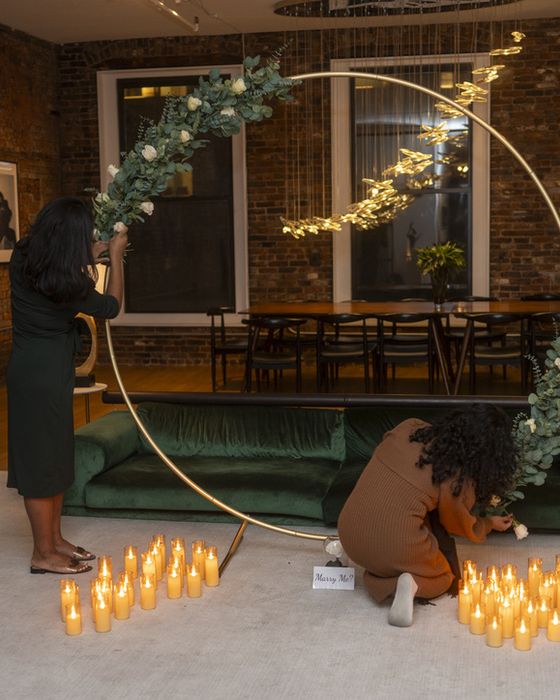
His sister had spent six hours in that room. So had Ray, and Tania, and two of Iya’s cousins, and a handful of people she had not seen since high school, all of whom were at that moment crouched behind a sofa in the dark trying not to laugh.
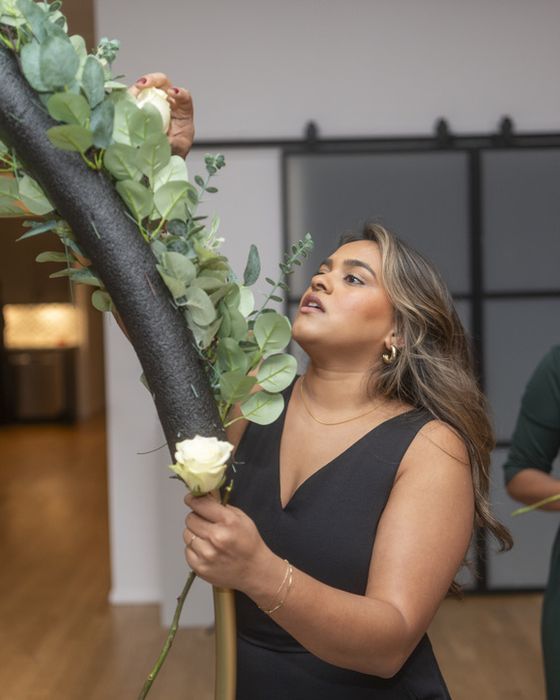
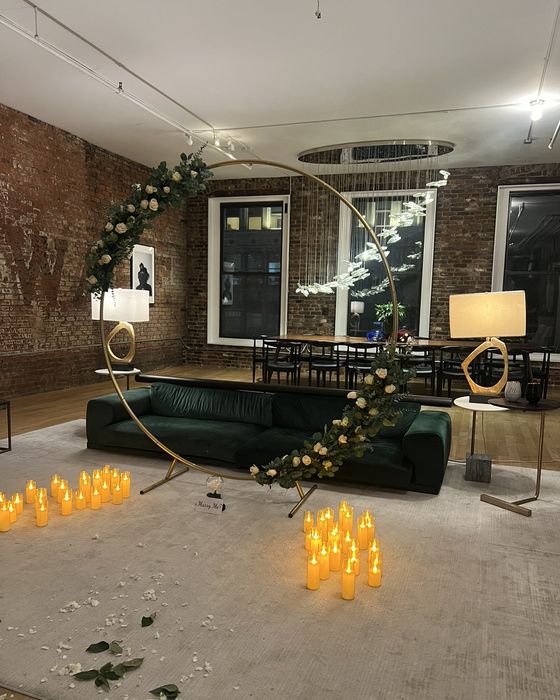
There was a tall circle of gold wrapped in eucalyptus and white roses. There were candles down both sides of the floor, forty or fifty of them, all lit. There were petals scattered down the length of the hallway, which someone had spent an hour placing by hand.
And in the middle of the room, on the floor, in the open space between the candles, there was a small glass dome.
Under it, a single white rose.
And leaning against the base of it, a small white card, and one word.
Marry Me?
Iya stood in that doorway and did not move.
And Noah watched her face and knew the exact instant she got it — not the proposal, she’d had the proposal figured out somewhere around The Strandmore — but the rose. The glass. The card. The four-inch object sitting on the floor of a rented room in Bushwick that was the same four-inch object he had set down on the school seal in the lobby of Halsey Technical when he was seventeen years old and had nine dollars in his pocket.
She put both hands over her mouth.
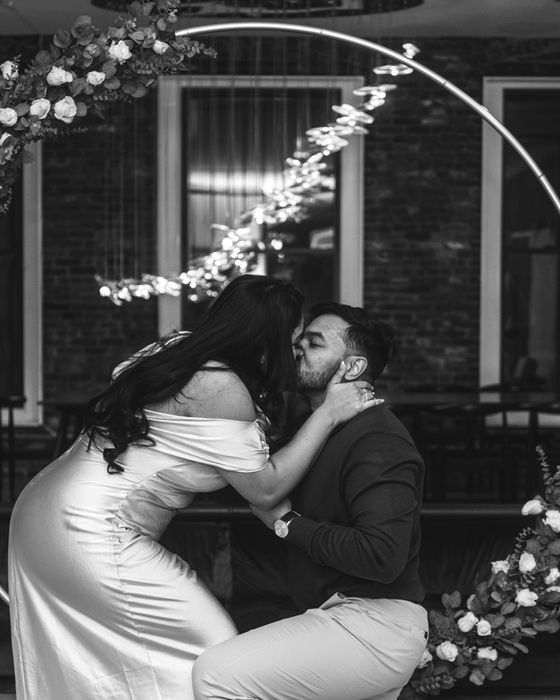
He got down on one knee.
“Will you be my wife?”
She said yes, and the room exploded — his sister first, then Ray, then everyone, up from behind the furniture, shouting — and Iya screamed and hit him in the arm and then grabbed his face with both hands and kissed him in front of every single person either of them had ever loved.
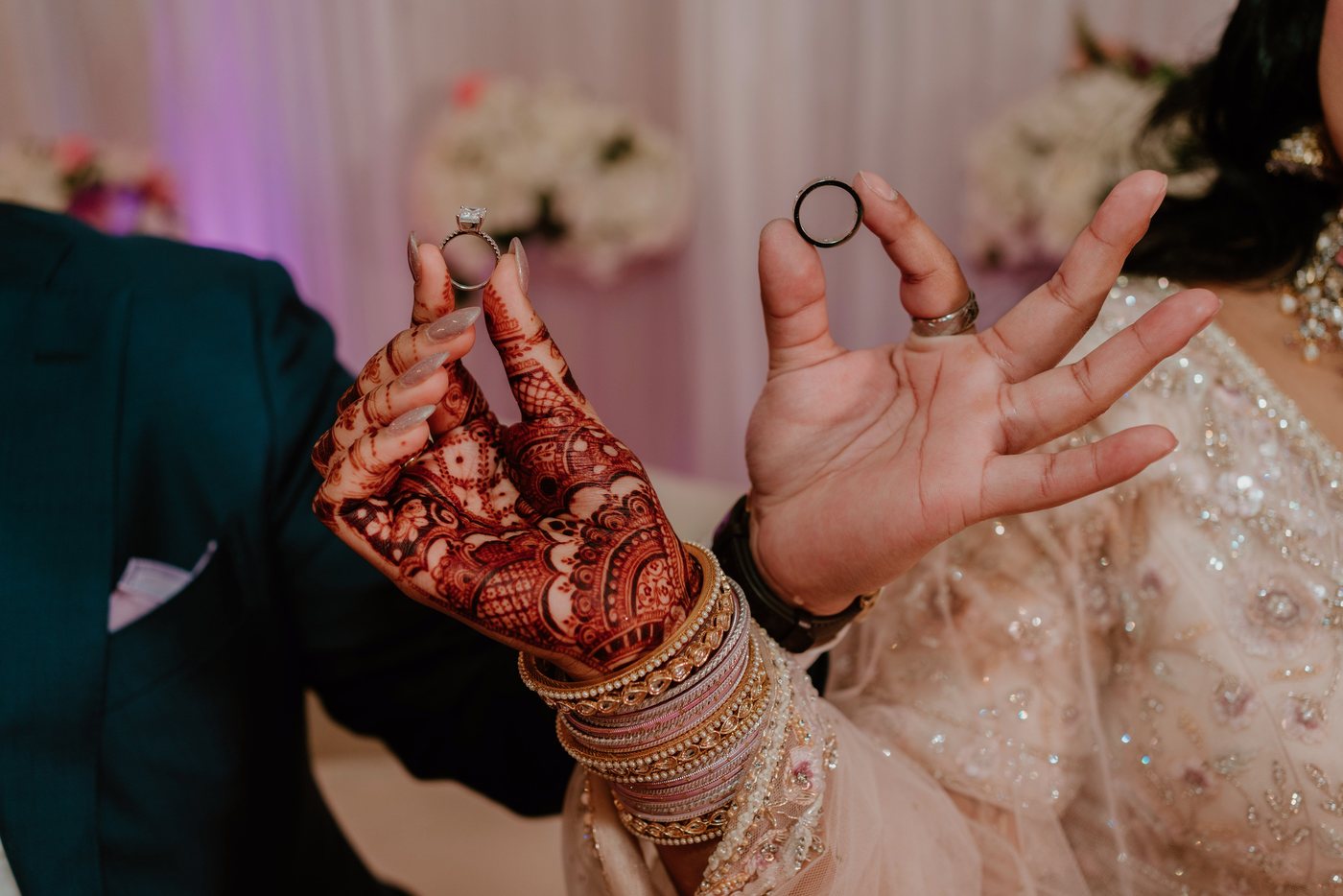
Seventeen days later she put a ring on him.
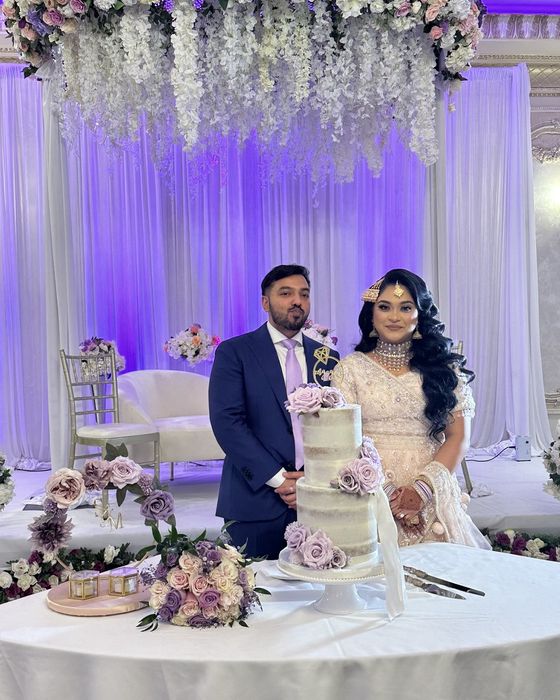
The engagement party was on the eleventh of February, in a small hall, and it was the first thing they ever planned together as two people who were going to be married. Which is to say it was the first time either of them found out what the other one was like about seating charts.
There was a cake. There was a DJ who was somebody’s cousin. There were friends from Halsey Technical who had not seen either of them in a decade standing around holding paper plates, saying, in various formulations, some version of the same sentence: wait, you two? And then, a beat later, once they’d done the arithmetic: you two.
Both families came. The mothers had by this point developed an entire private relationship that neither of their children had been consulted about.
And then there was the ring exchange, in front of everyone.
He’d had a ring for her since November — the one she picked out herself, because they both already knew where this was going and she was not going to leave a decision like that to him. He carried it around for two months and slept with it in a sock drawer, and she’d been wearing it since January.
What he did not know — what nobody had told him, because she had told exactly one person and sworn her to silence — was that Iya had bought one for him.
She took his left hand in front of both families and slid it on.
And here is why that mattered, and he did not fully understand it until later that night, driving home:
He had asked her at fifteen. He had asked her at seventeen. He had knelt on the floor of a rented room in Bushwick with forty candles going and asked her again. Every single door in this story, he had walked through — and every single one of them, she had built quietly and then stood next to, pretending she just happened to be passing.
The apology she didn’t owe him. The follow request she cancelled. The I love you she said as a joke so she’d have somewhere to hide.
She had spent ten years refusing to be caught wanting him.
And then she stood up in a rented hall in front of both of their mothers and put a ring on his hand where everybody could see it.
That was the end of that. She never hid again.
What follows is five months that everyone who has done it will recognize and nobody who hasn’t will believe.
They shopped. God, they shopped. Fabric first — because you do not buy an outfit, you buy a fabric, and then you find someone’s aunt who knows someone, and then there is a fitting, and then there is a second fitting, and then there is an argument about the second fitting. They spent an entire Saturday on Seventy-Fourth Street in Jackson Heights going in and out of shops in the rain, and by four in the afternoon Noah had stopped having opinions and started having a headache, and Iya was still going, moving through the racks with the terrible focus of a general.
“You’ve seen forty of these,” he said.
“I have seen four hundred of these.”
“They’re the same.”
She turned and looked at him for a very long moment, and Noah understood that he had said something that would be recounted at family gatherings for the rest of his natural life.
The guest list went to four hundred and had to be cut. It was cut. It went back up to four hundred and thirty. Nobody could account for this.
There were venues that were too expensive and venues that were available on the wrong day and one venue that was perfect and had been booked eleven months earlier by somebody else, about which Iya was philosophical for approximately six minutes and then not.
There were the cards. There were the flowers. There was a two-week negotiation about the color purple that Noah did not participate in and does not, to this day, fully understand the outcome of.
There were the mothers, who had become an unstoppable joint entity and who made decisions at high speed and informed the couple afterward.
There was a night in April when they sat in his car outside her house at one in the morning, exhausted, with a spreadsheet open on her phone, and she put her head back against the seat and said, “I don’t even want a wedding. I want to be married.”
“So let’s just be married.”
She laughed.
“I’m serious,” he said. “Everything else is a party. We can have the party whenever. The marriage is a piece of paper and two witnesses and us.”
She turned her head and looked at him.
And in between all of it — the fittings, the lists, the arguments, the four hundred and thirty people — they were, for the first time in their lives, allowed.
That’s the part that nobody warns you about, and it’s the part they both remember best. Ten years of stairwells and hallways and cars parked around the corner. Ten years of not being seen. And now she could sit next to him at a family dinner with everybody watching. Now his mother said her name in the kitchen without lowering her voice. Now they were an announced fact, and they went out constantly that spring — rooftops, dinners, a concert where they stood in the middle of a crowd with their arms around each other, all the ordinary public things they had never once been able to do — and they were both a little drunk on it the entire time.
They took a lot of photographs that spring. More than they needed to.
Noah has thought about why, and he thinks it’s this: for ten years, there had been almost no evidence that any of it was happening. And now there could be.
They were married on a Saturday, in July, in a room with only the closest family in it.
It was not the big event. The big events came after — the halls, the four hundred and thirty people, the stage, the cake, the whole enormous machine. This was the one that counted. This was the contract.
There was a table. There were witnesses. The paper had their two names printed on it, in script, and a line beneath each one.
Iya signed first.
Then Noah.
And they were asked, each of them, in the presence of the people who had made them, whether they accepted the other.
And they said yes.
Afterward, in the small quiet gap that happens at every wedding — when the ceremony is done and the party hasn’t started and for about ninety seconds nobody can find you — they stood together at the back of the room under the edge of her veil, which was red, and heavy, and covered them both.
Noah put his forehead against his wife’s forehead.
“Hey,” he said.
“Hey.”
Here is the last thing, and then the story is finished.
For an entire year they had joked about it. They had turned it over at dinners and in cars and lying awake at one in the morning: we don’t have a date. What’s our date. Should we use the old one. Can we make one up. We’ll figure it out.
They never figured it out.
They never picked a day, and they never made one up, and they never went back and used the old one.
They just went and got married, and the question answered itself, and it turned out that it had been waiting the whole time for exactly this — that this was the only answer it was ever going to accept, and that both of them had known it for a year and neither of them had been willing to say so out loud.
And that night, for the first time in twelve years, they went home to the same place.
Twelve years of trains going in opposite directions. Of stairwells and hallways. Of four minutes between classes. Of two miles across a park. Of a car parked around the corner with the engine off. Of saying goodbye at a station at eleven o’clock because somebody’s mother was waiting up.
And then it was over, and they were married, and there was nowhere either of them had to go.
That’s the date.
Noah Haque and Iya Uddin do not exist. Almost everything that happens to them does.
The names were changed and the places were given new ones. The school was not called Halsey Technical and the bookstore was not called The Strandmore. Some of the empty years were filled with invented weather, because the true version of those years belongs to us and not to a book.
Everything else is exactly what happened. Here is the evidence.
Seven floors, four thousand students, and a seating chart. Then a red rose in a glass dome, and a card that said PROM?

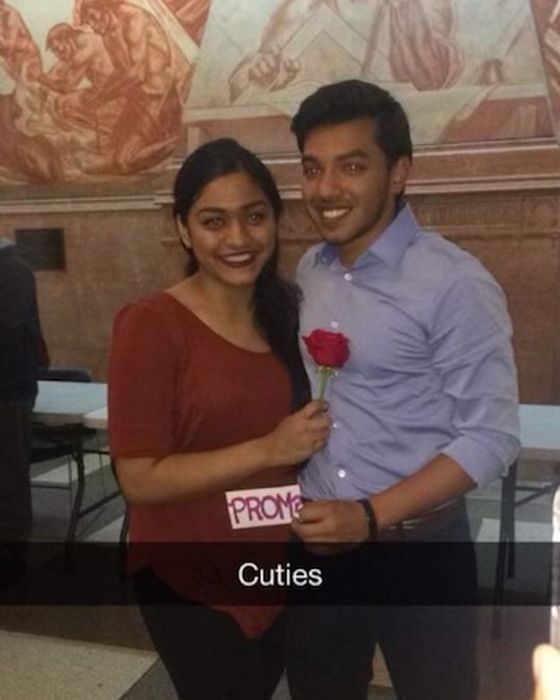

Two miles across Central Park, over and over, because the alternative was not seeing her that day.
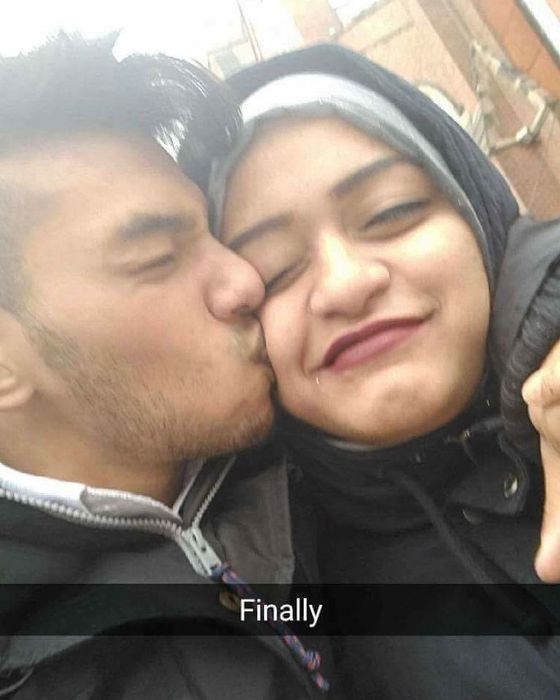



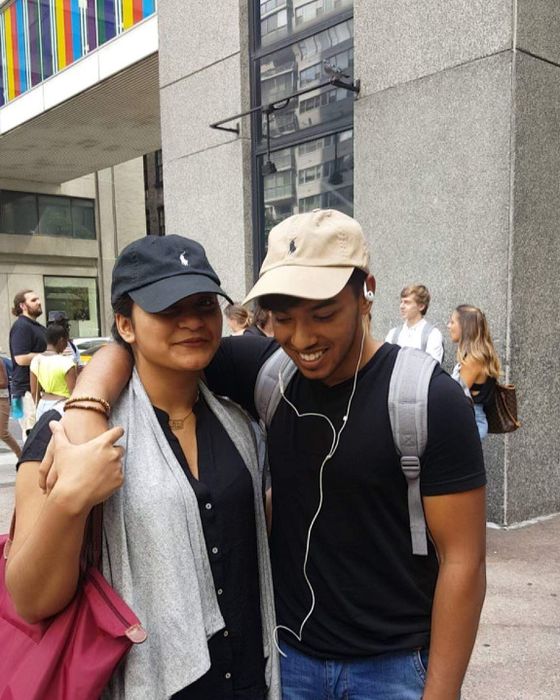
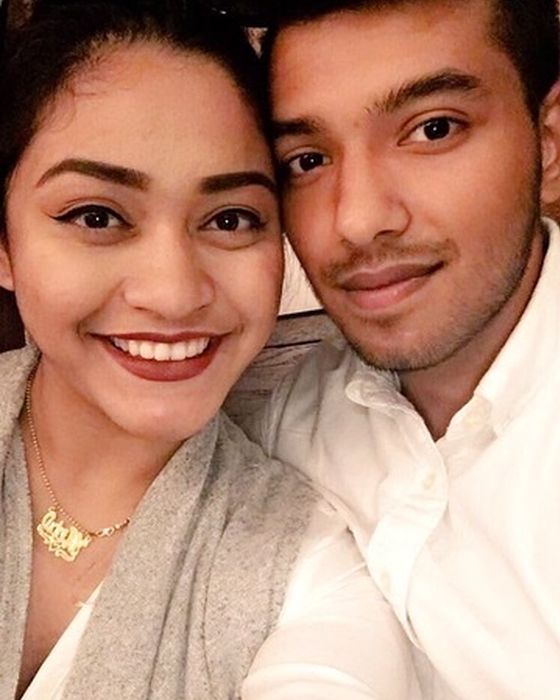



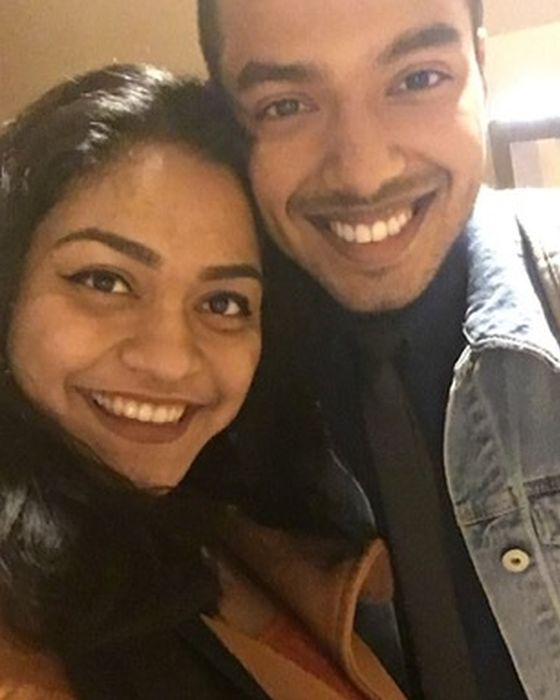



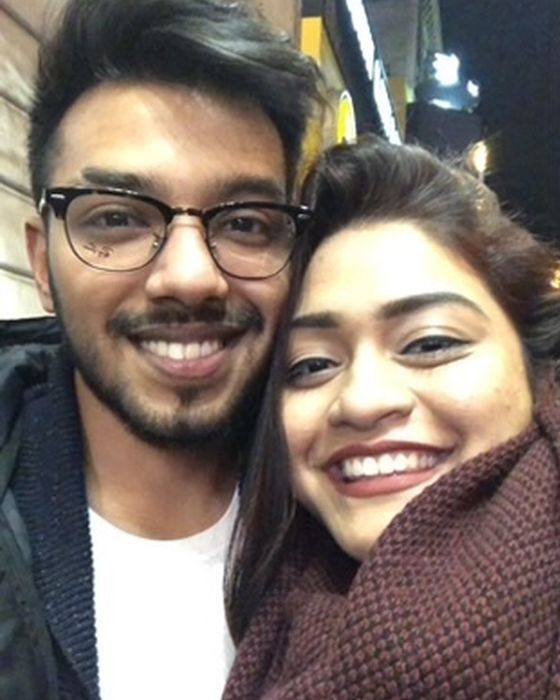









Her pick. Her treat. All I had to do was show up.
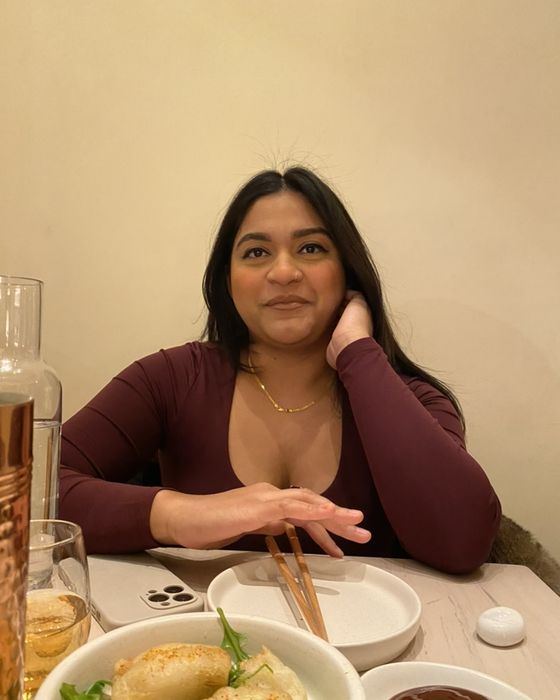


A whole year of this, and we still couldn’t pick a day.
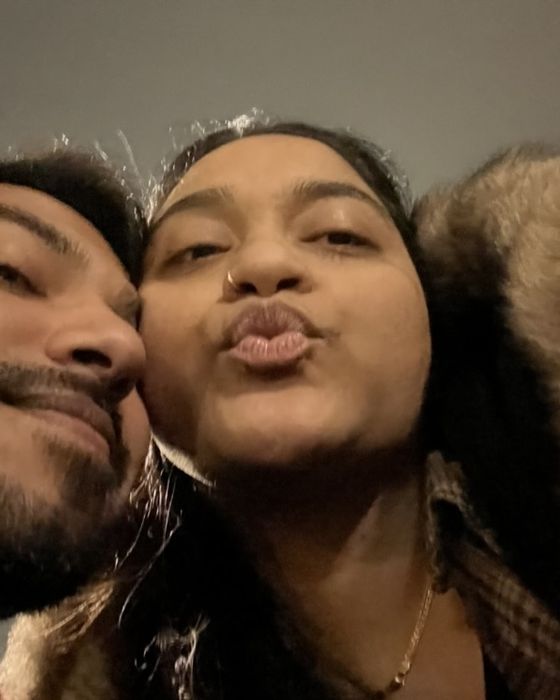
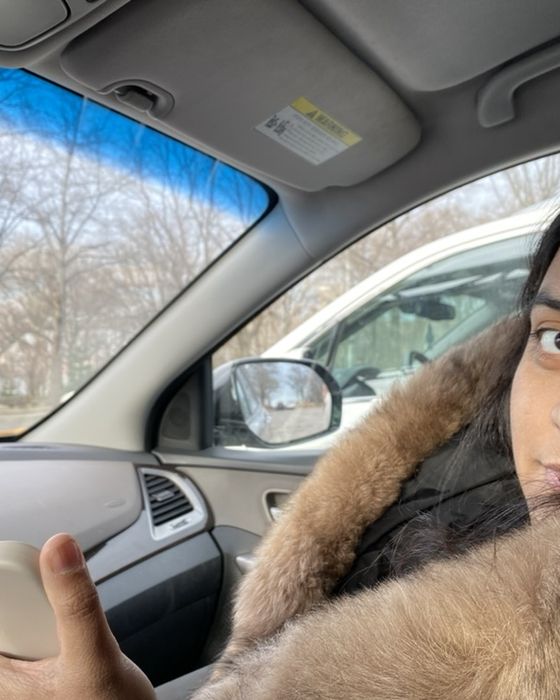
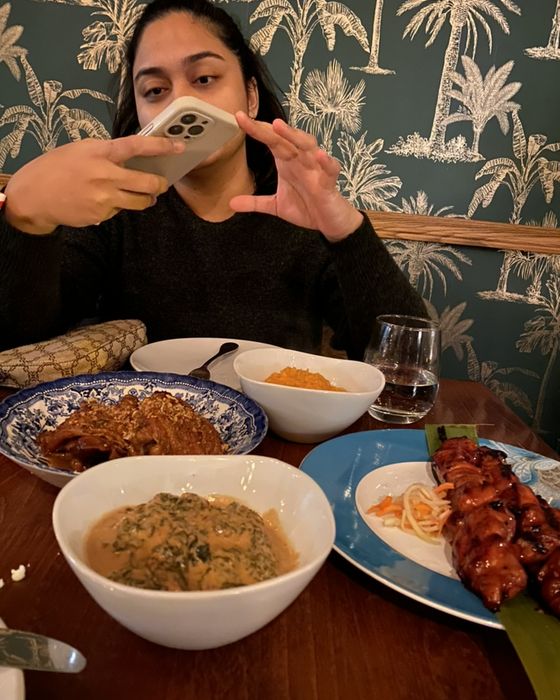
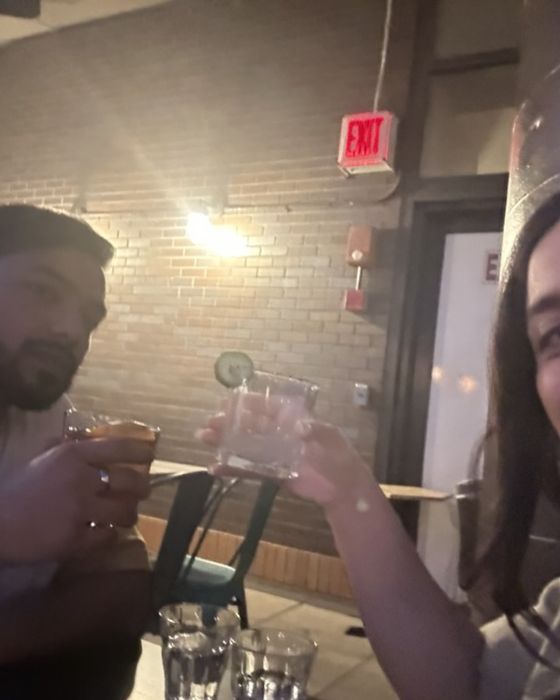


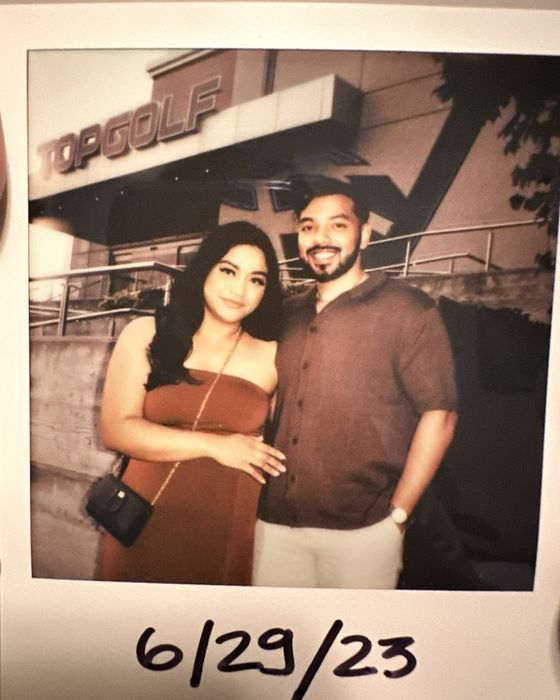

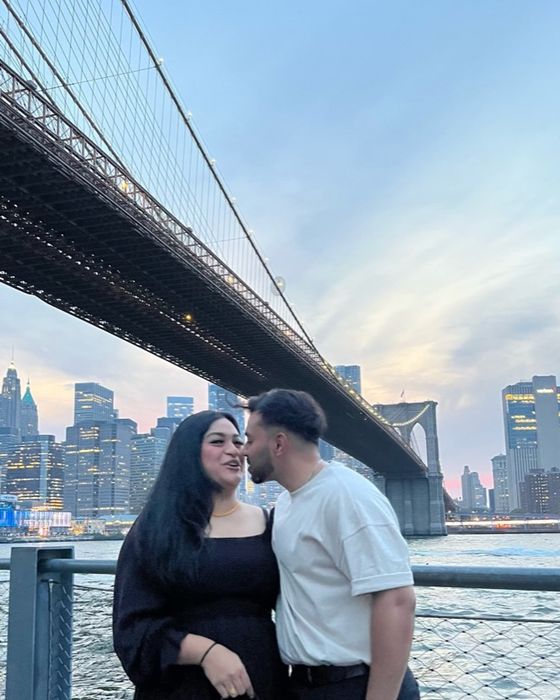

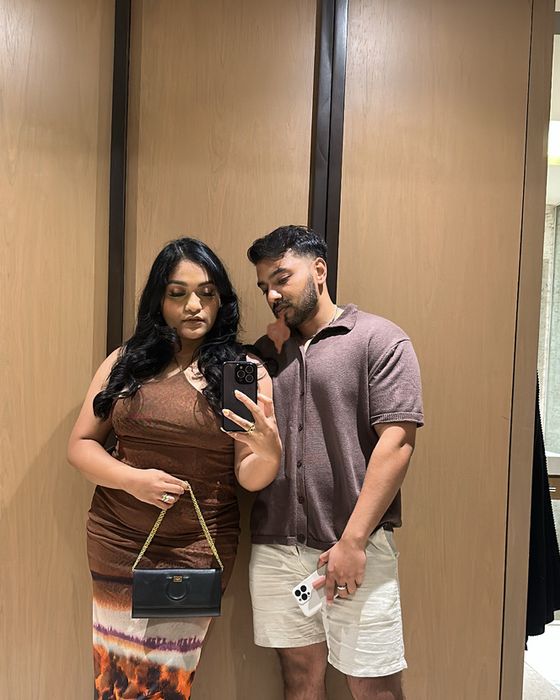

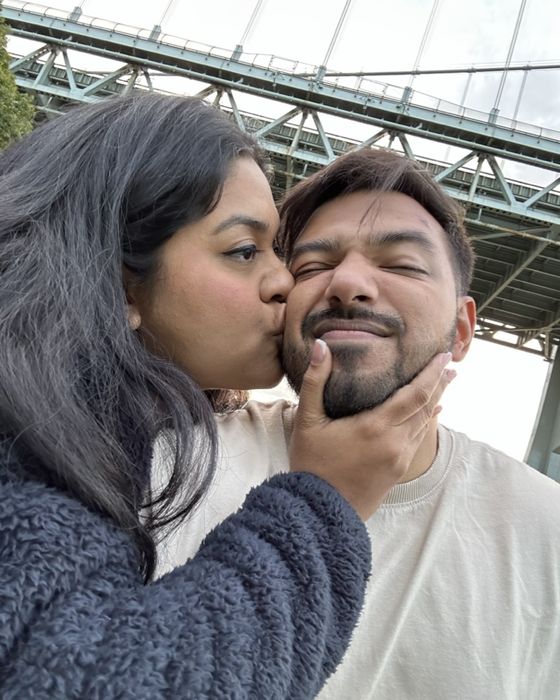
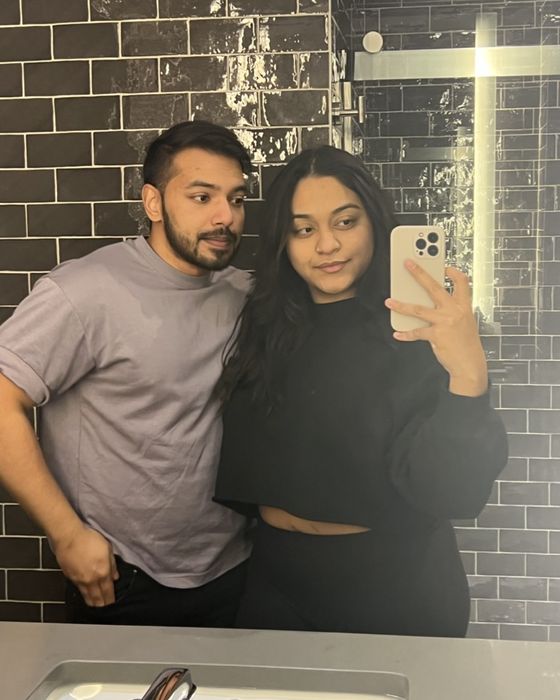
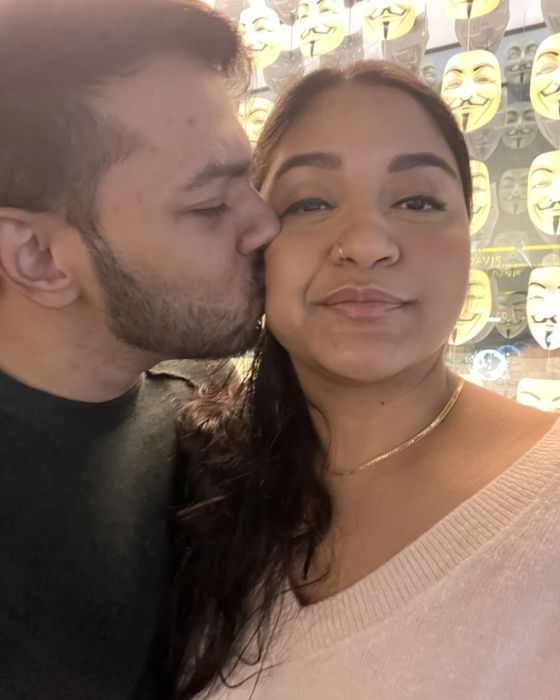

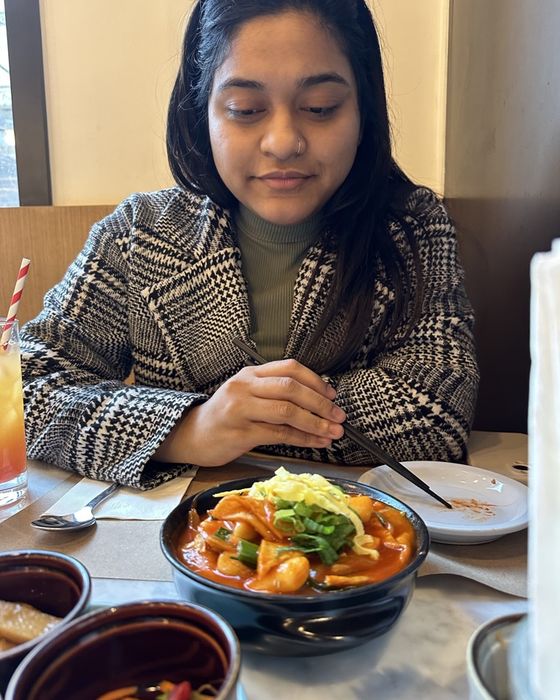


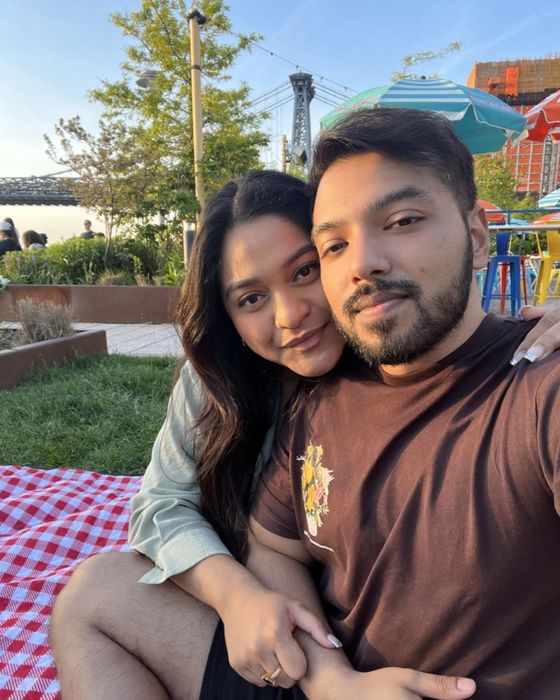
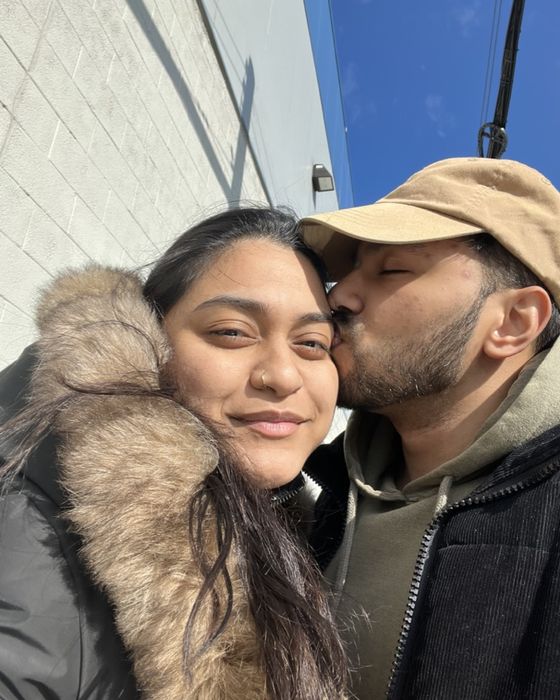

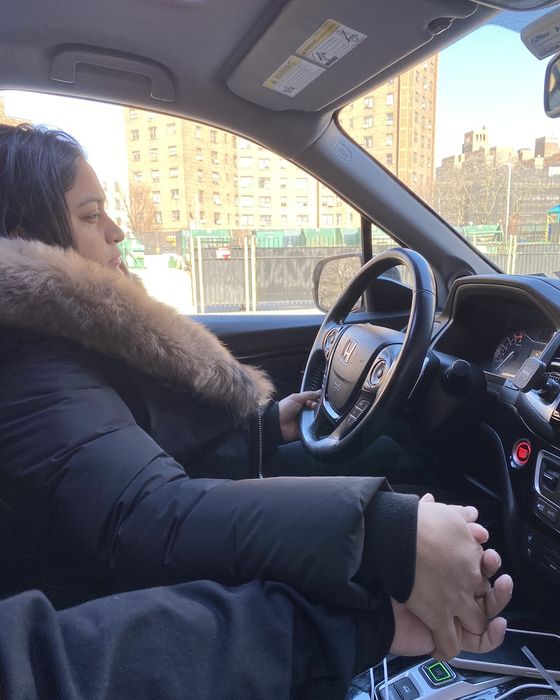
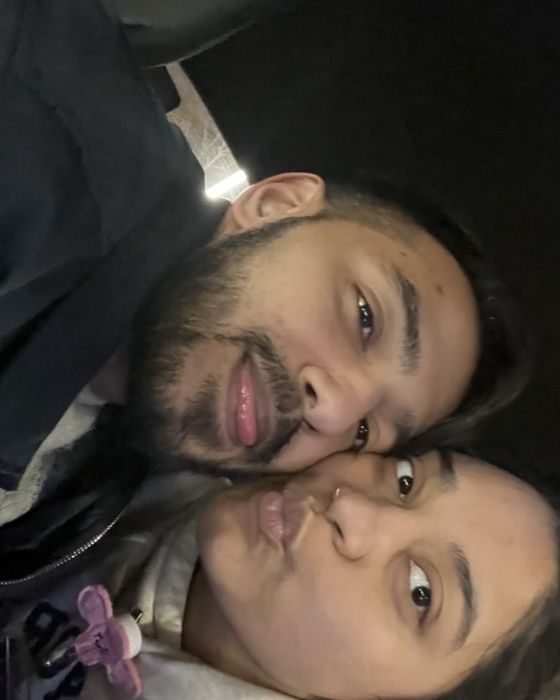
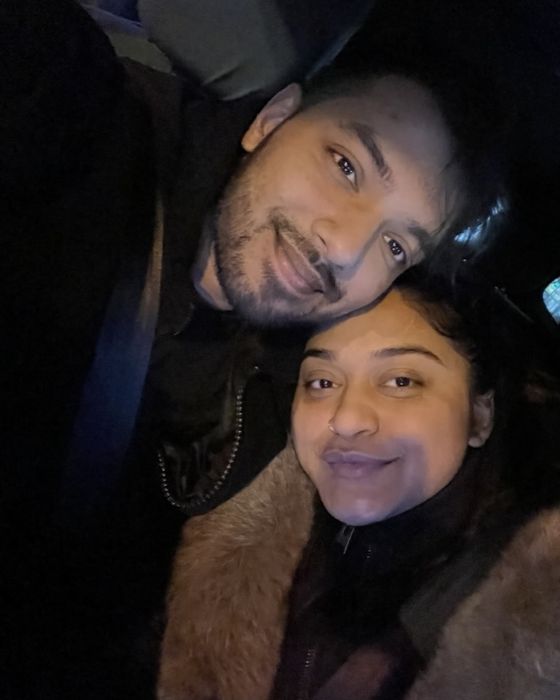
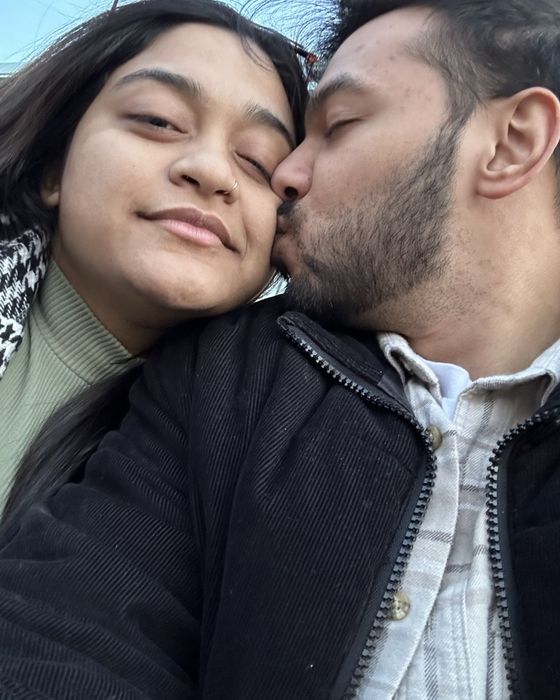
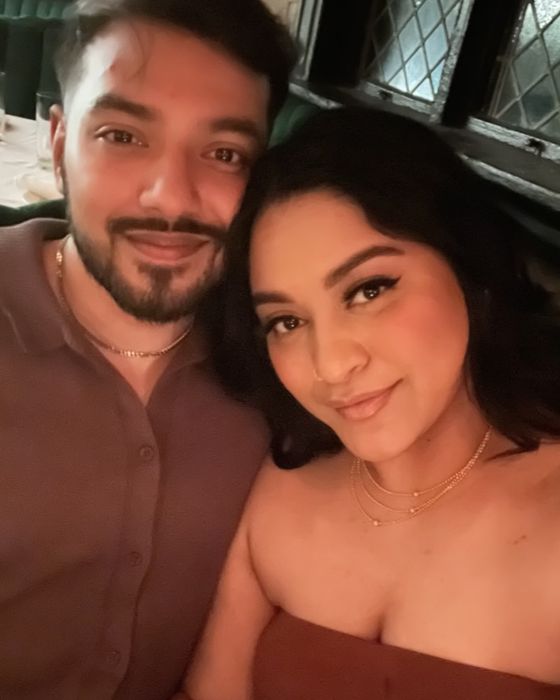

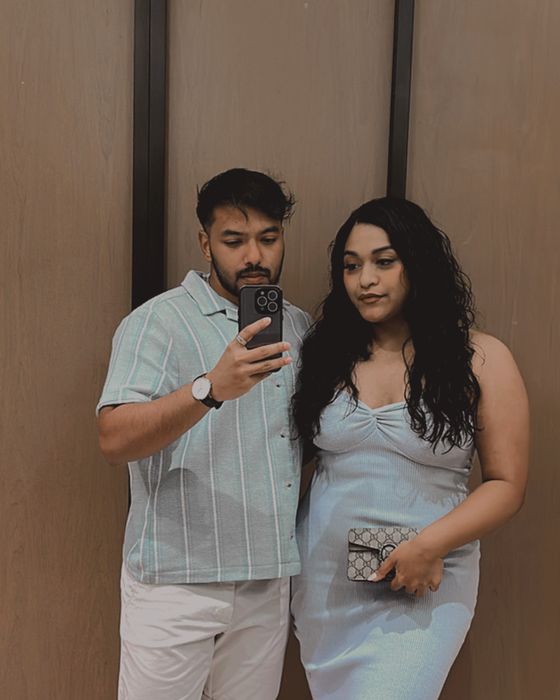

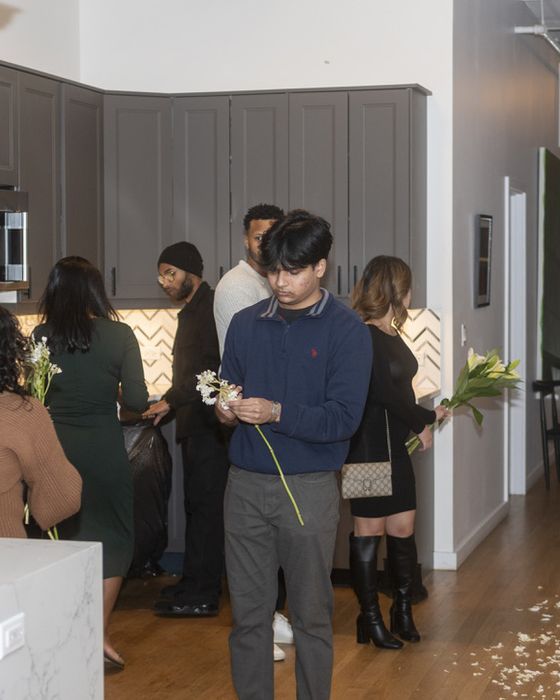
Nineteen people, one long table, and a twenty-minute fight over the check.


Our friends, building it.
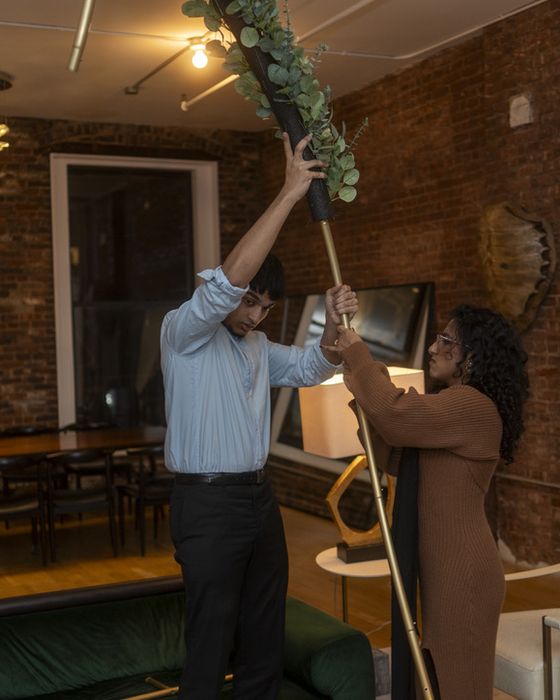
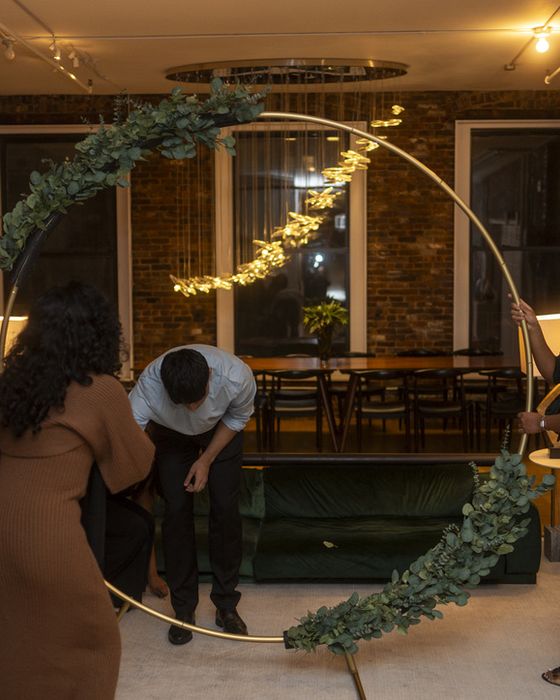
Nine years apart.



Seventeen days later, she put a ring on me in front of everybody.

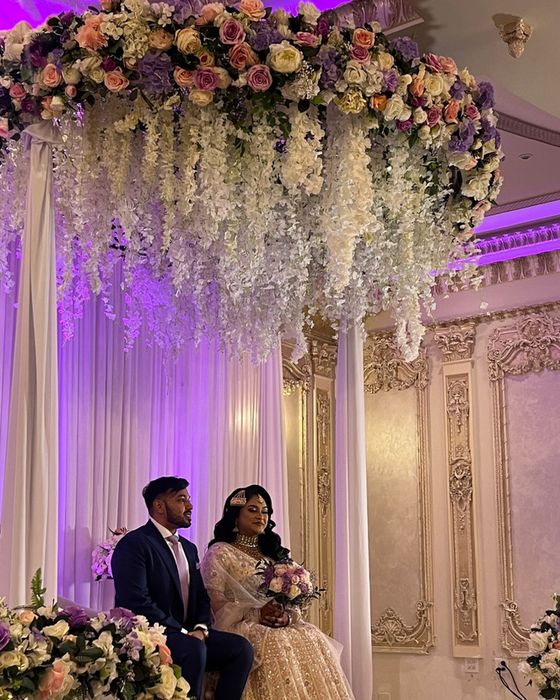
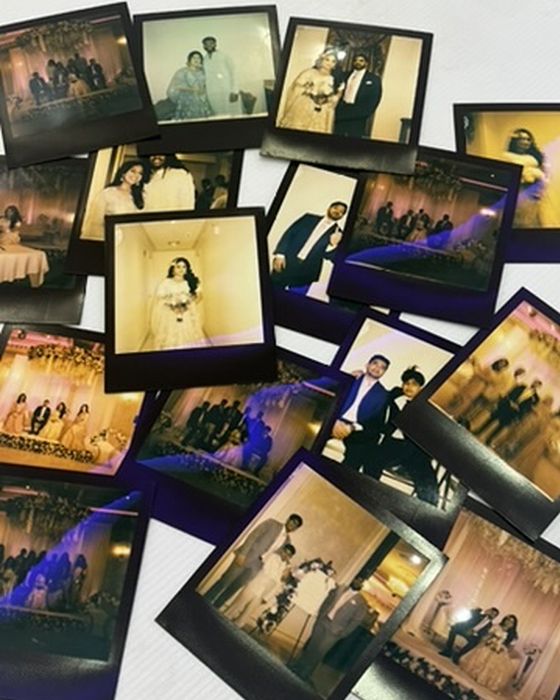

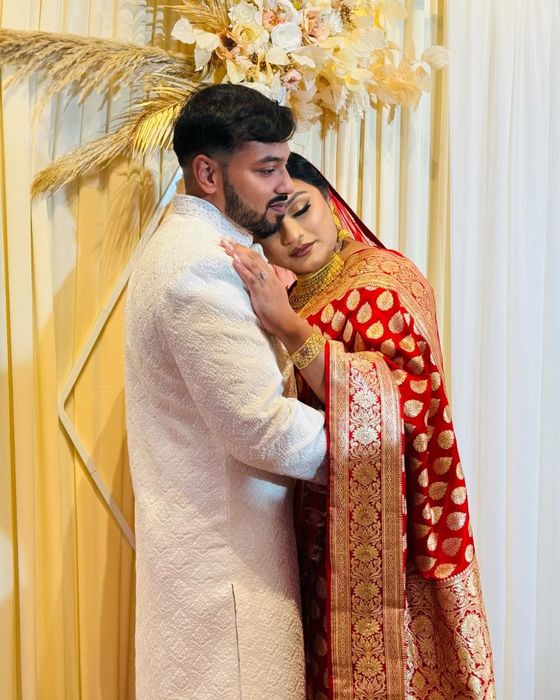
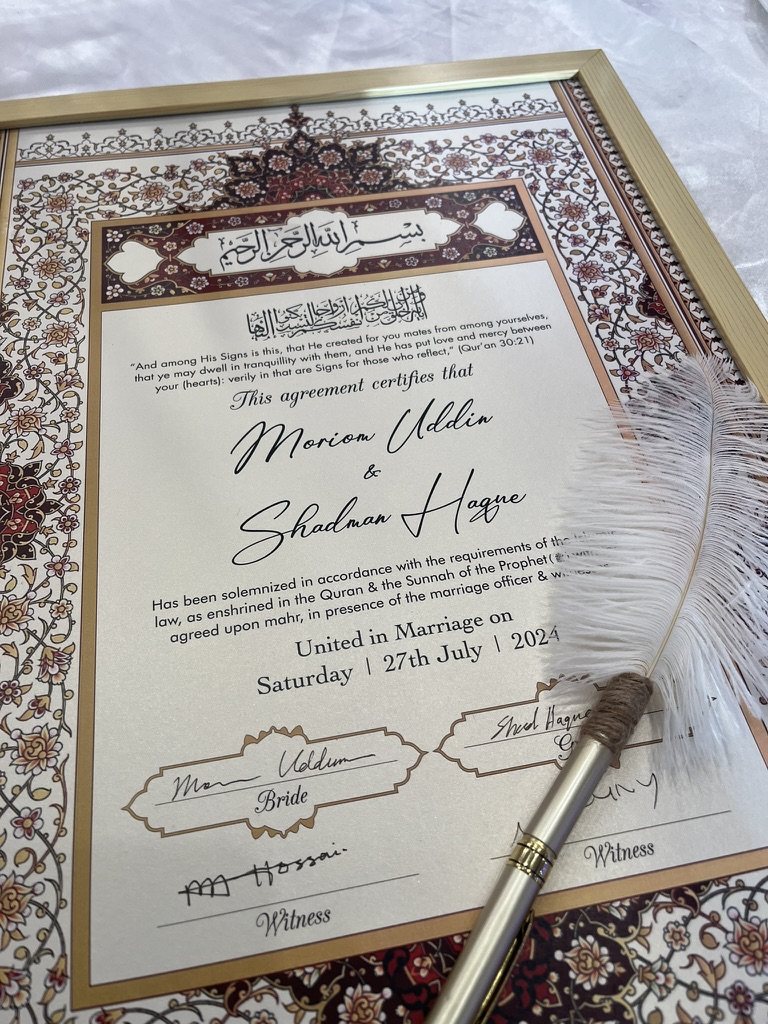
It’s crazy to think that after all these years, it’s still you.
You have been such a big and meaningful part of my life ever since we were kids. It didn’t matter what was going on, you were always on my mind, because you were my first true love and you will be my last.
You are genuinely the best thing that has ever happened to me. You make the bad times easier and the good times even better. I miss you whenever we’re apart, even if it’s only for a little while. You’re somehow part of everything in my life. Every song I hear, every restaurant I try, every trip I plan, every random thing I buy — I always catch myself thinking, Moriom would like this, or I can’t wait to tell Moriom about this.
I don’t think you realize how much you really mean to me. I know I don’t always do the best job of expressing it. Honestly, it’s hard for me to put into words, because whenever I try, it never feels like enough. You’ve been such a huge part of my life for so long that it’s impossible to imagine what my life would even look like without you in it. You’ve been there through so many different versions of me, and somehow you’ve loved me through all of them.
When I think about everything we’ve been through, all I feel is grateful. Grateful that somehow life worked out the way it did. Grateful that the girl I loved when I was younger is the same woman I get to come home to every day. Grateful that out of everyone in the world, you’re my person.
One of my favorite things about us is that even after all this time, you’re still the first person I want to tell things to. When something good happens, I want to call you. When something annoys me, I want to tell you. When I’m excited about something, I want to share it with you. No matter what it is, you’re always the person I want beside me.
Thank you for loving me, supporting me, being patient with me, and always being in my corner. Thank you for all the little things you do that probably don’t seem like a big deal but mean so much to me.
These first two years of marriage have gone by so fast, and honestly they’ve just made me more excited for everything that’s still ahead of us. More trips, more memories, more laughs, more milestones, and hopefully a very long lifetime of annoying each other.
I love you more than you’ll ever know, and if I had to do it all over again, I would choose you every single time.
Happy 2nd Anniversary, babe.
“We have history.”